
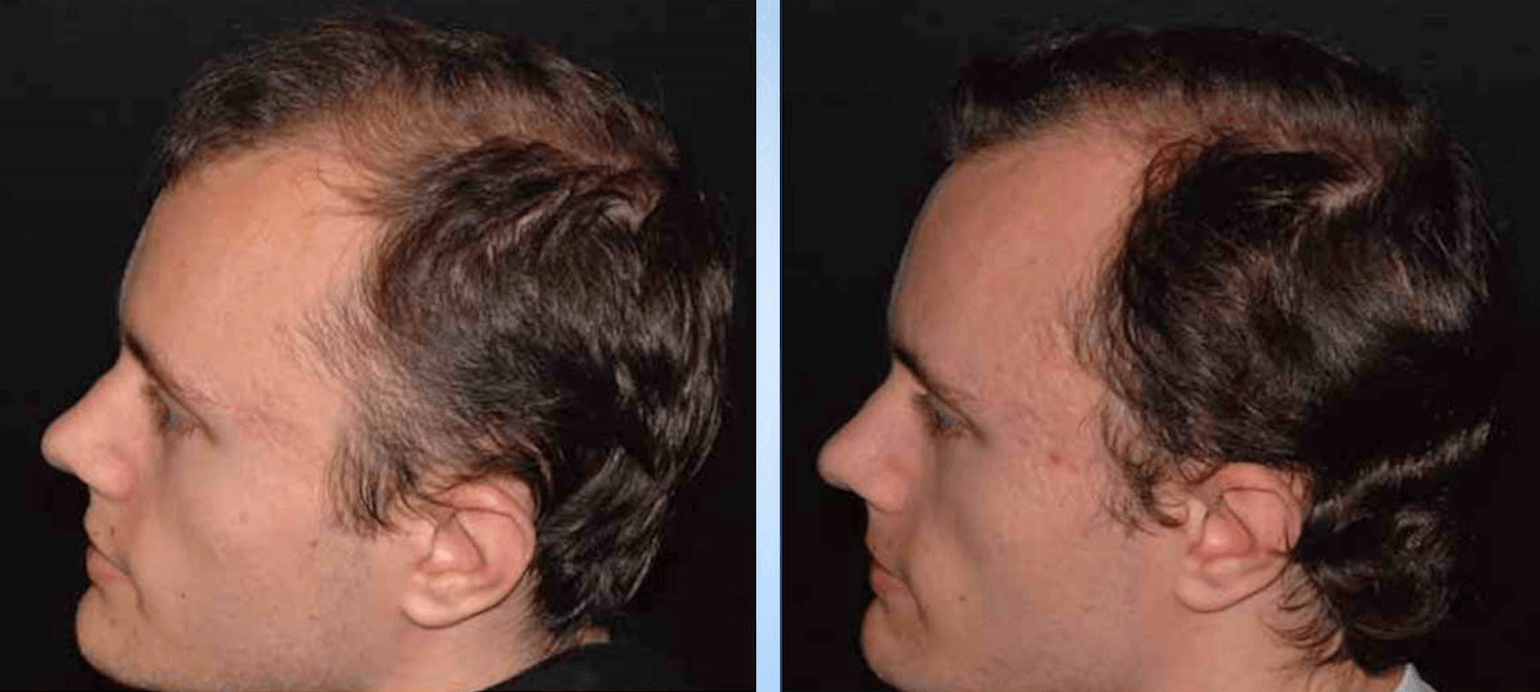
Effective hair loss treatment starts with one question that is too often skipped: why is the hair thinning? Hair loss is a symptom, not a single condition — and the right treatment depends entirely on the underlying cause. As a physician, Dr. Susan Lin begins every hair-loss evaluation here.
The most common medical causes
- Genetic (androgenetic) hair loss — the most common type in both men and women, driven by inherited sensitivity to hormones.
- Hormonal changes — pregnancy, menopause, and thyroid disorders can all trigger shedding.
- Thyroid and other medical conditions — an underactive or overactive thyroid is a frequently missed contributor.
- Nutritional deficiencies — low iron (ferritin) and vitamin D in particular.
- Stress and illness — physical or emotional stress can cause temporary shedding (telogen effluvium), as seen after COVID.
- Medications — certain drugs list hair loss as a side effect.
Why diagnosis matters
Each of these causes responds to a different approach. Genetic thinning may benefit from PRP and targeted therapies; a thyroid or iron issue needs the underlying problem corrected first. Treating the wrong cause wastes time during the window when hair is most recoverable.
A physician-led evaluation
At MD Laser and Cosmetics in San Mateo, Dr. Lin reviews your history, may recommend relevant lab work, and builds a plan around the actual cause — which may combine in-office PRP, scalp health treatments, the physician-formulated MD® hair line, and nutritional guidance. Hair loss treatment plans start at $500.
Everyday factors that can add to hair shedding
Beyond medical conditions, several everyday factors can contribute to shedding or thinning-looking hair: significant stress or illness, rapid weight loss, low protein or iron intake, tight hairstyles, heat or chemical styling, and the hormonal shifts that follow pregnancy or menopause. Shedding from these triggers often begins two to three months after the event, which is why it can be hard to connect the two without a careful history.
Some common beliefs are worth setting aside: wearing hats, frequent shampooing and hair loss “skipping a generation” are not reliable explanations. Hair thinning affects both women and men, and in women it more often appears as a widening part than a receding hairline.
Alongside in-office care, Dr. Lin formulated the drug-free MD HAIR™ scalp-care line to support a healthier-looking scalp and the look of fuller hair between visits. The products are cosmetics, not treatments for any medical condition, and are available at md-factor.com.
Frequently Asked Questions
How do I find out what is causing my hair loss?
A physician evaluation — including your history and, when appropriate, lab tests for iron, thyroid, and vitamin D — identifies the underlying cause so treatment can target it.
Can hair loss from a medical cause be reversed?
Often, yes — especially when caught early and when the underlying cause (such as a deficiency or thyroid issue) is corrected. Results take several months.
Is hair loss in women different from men?
The pattern and some causes differ. Women more often have diffuse thinning and are more prone to iron-related shedding. Dr. Lin tailors evaluation accordingly.
Want to understand what is really causing your hair loss? Every treatment at MD Laser and Cosmetics is performed personally by Dr. Susan Lin, M.D. Learn more or book a consultation.
📍 Related treatment at MD Laser and Cosmetics, San Mateo: Hair Loss & PRP Restoration → — physician-led by Dr. Susan Lin, M.D., serving the greater Peninsula within a 25-mile radius.


